
Bio-Thera
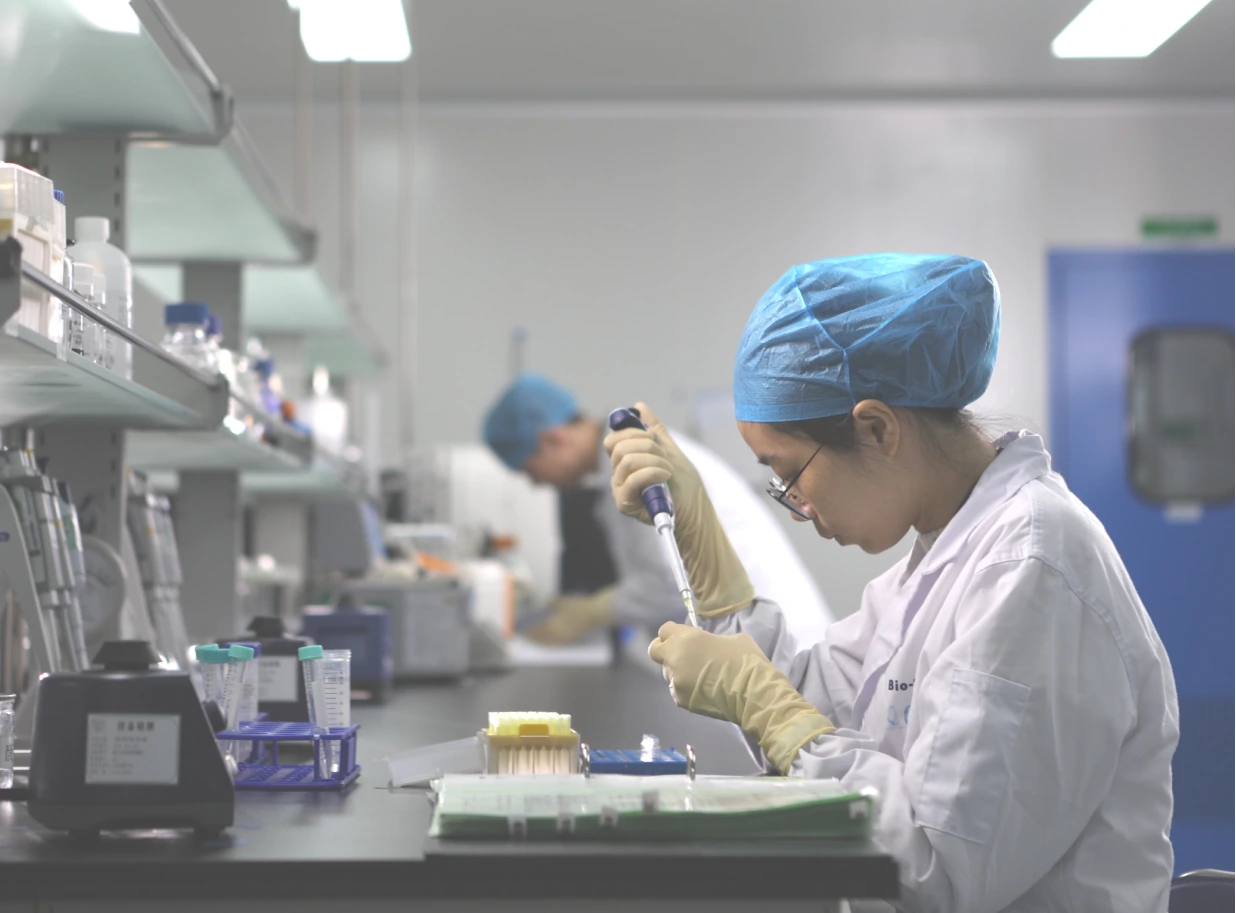
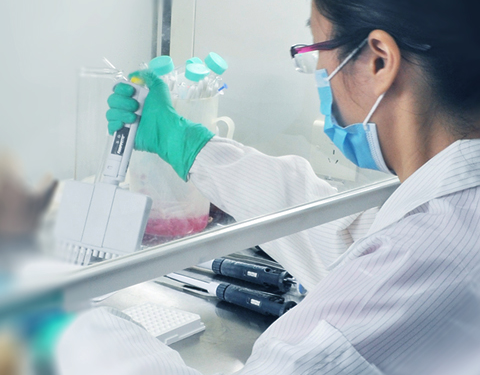
Pipetting and sample handling in the laboratory

Technology, Manufacturing & Quality

Six core platforms span antibody discovery, engineering, conjugated drugs and process development; manufacturing capacity and an ICH Q10 quality system support filings in China, the United States and Europe.

Six Core Technology Platforms

The six major platforms are interlocking along the antibody drug development chain - from discovery in sequence space to engineering optimization, conjugated drugs, process development and quality research. Click on any node to go directly to the corresponding platform.

Antibody discovery

Antibody Library & Display Technology

We have established human antibody libraries with hundreds of billions of unique clones, supported by mature phage display and yeast display platforms. Building on these capabilities, we developed IDEAL (Intelligent Design and Engineering Antibody Libraries), our proprietary antibody discovery engine.

The engine takes an intelligent screening strategy as its core and efficiently identifies candidate molecules with excellent binding properties and development potential from a massive human antibody sequence space. At the same time, in the early screening stage, it introduces a systematic assessment of the stability, expression efficiency and aggregation risk of candidate antibodies in complex formats, improves the format adaptability and drug foundation of the screened molecules, and optimizes the quality of subsequent development from the source. With the above capabilities, the IDEAL engine can continuously and stably output high-quality candidate antibody molecules for different target types, providing an efficient and sustainable source of innovation for the company's antibody drug development pipeline.

  • IDEAL engine
  • Hundreds of Billions of Clones
  • Phage display
  • yeast display
Antibody Library & Display Technology
Intelligent optimization

AI-Powered Antibody Engineering

Drawing on proprietary high-quality data accumulated through years of research—including antibody sequences, activity, expression levels, thermal stability and aggregation propensity—we have built a high-resolution sequence–structure–function database. By integrating computational biology, structural analysis and machine learning, the platform continuously strengthens antibody prediction and engineering capabilities.

Through systematic analysis and iterative learning from successful molecules and risk signals in unsuccessful candidates, the platform enables targeted sequence optimization and risk correction early in the design of complex molecules, including bispecific antibodies and multifunctional fusion proteins. This improves the transition from sequence design to expression development and supports challenging targets and complex antibody formats.

  • sequence-structure-function mapping
  • computational biology
  • machine learning
  • risk correction
AI-Powered Antibody Engineering
molecular engineering

ADCC-Enhanced & Long-Acting Antibody Fc Engineering

The company relies on antibody engineering technology with independent intellectual property rights and has established a comprehensive antibody optimization platform. The core of this platform consists of two major technical modules: First, through a unique host cell modification system, fully afucosylated antibodies are produced, which eliminates the obstruction of Fc segment fucose to FcγRIIIa (CD16a) binding, significantly enhances the ADCC effect, and thus more effectively recruits immune cells to kill tumors. This technology complies with GMP manufacturing standards and has been clinically verified.

The second is to develop a variety of long-acting antibody platforms through engineering transformation of the Fc segment, optimizing the pharmacokinetic properties of antibodies, and is suitable for monoclonal antibodies, bi/multi-specific antibodies and ADC drugs to achieve longer dosing intervals and better efficacy.

  • afucosylation
  • ADCC enhancement
  • Fc engineering
  • long-acting antibodies
ADCC-Enhanced & Long-Acting Antibody Fc Engineering
drug conjugate

Bispecific / Multispecific Dual-Payload ADC Platform

Relying on its independently developed cleavable linker technology, the company couples antibodies with toxic small molecules such as topoisomerase I inhibitors to construct a new ADC with efficient anti-tumor activity. This ADC has a significant bystander effect, and its toxic small molecules have strong cell membrane permeability. After the ADC kills tumor cells, they can be released and penetrate into adjacent tumor cells, effectively overcoming the treatment limitations caused by tumor heterogeneity.

At the same time, this ADC releases extremely low toxic small molecules in plasma, exhibits excellent stability and safety, and significantly reduces the risk of off-target toxicity. On this basis, the company is further developing a dual/multispecific dual-payload ADC platform. Through precise dual targeting and dual Payload collaborative drug loading, it can achieve the simultaneous delivery of small molecule drugs with different mechanisms of action, collaboratively kill tumors, and effectively overcome the drug resistance problem caused by a single drug.

  • cleavable linker
  • bystander effect
  • Dual Payloads
  • bispecific
Bispecific / Multispecific Dual-Payload ADC Platform
process development

Process & Manufacturing Technology

Antibody drugs are generally expressed and produced by mammalian cells, and their core technology and commercialization costs mainly depend on the research and development and optimization of host cells, high-efficiency expression vectors, independently developed individualized culture media, and production process conditions.

Our proprietary culture media technology supports commercial-scale manufacturing and lower costs. Optimizing project-specific basal media and feed formulations helps control charge variants and glycan profiles, improve protein purity and reduce impurities such as incomplete fragments. These capabilities enhance product quality while lowering costs and reducing dependence on external suppliers.

  • Proprietary Culture Media
  • Glycoform regulation
  • high expression cell lines
  • Purity optimization
Process & Manufacturing Technology
quality research

End-to-End Quality Research Platform

The company has deeply integrated quality research resources and built a full-chain quality research platform that complies with the regulatory standards of NMPA, FDA and EMA. It comprehensively covers the full life cycle management capabilities from early drug development, clinical application to commercial production, and provides scientific support for the research, development and industrialization of innovative drugs such as monoclonal antibodies, bispecific antibodies, antibody-drug conjugates (ADCs), and recombinant nano vaccines.

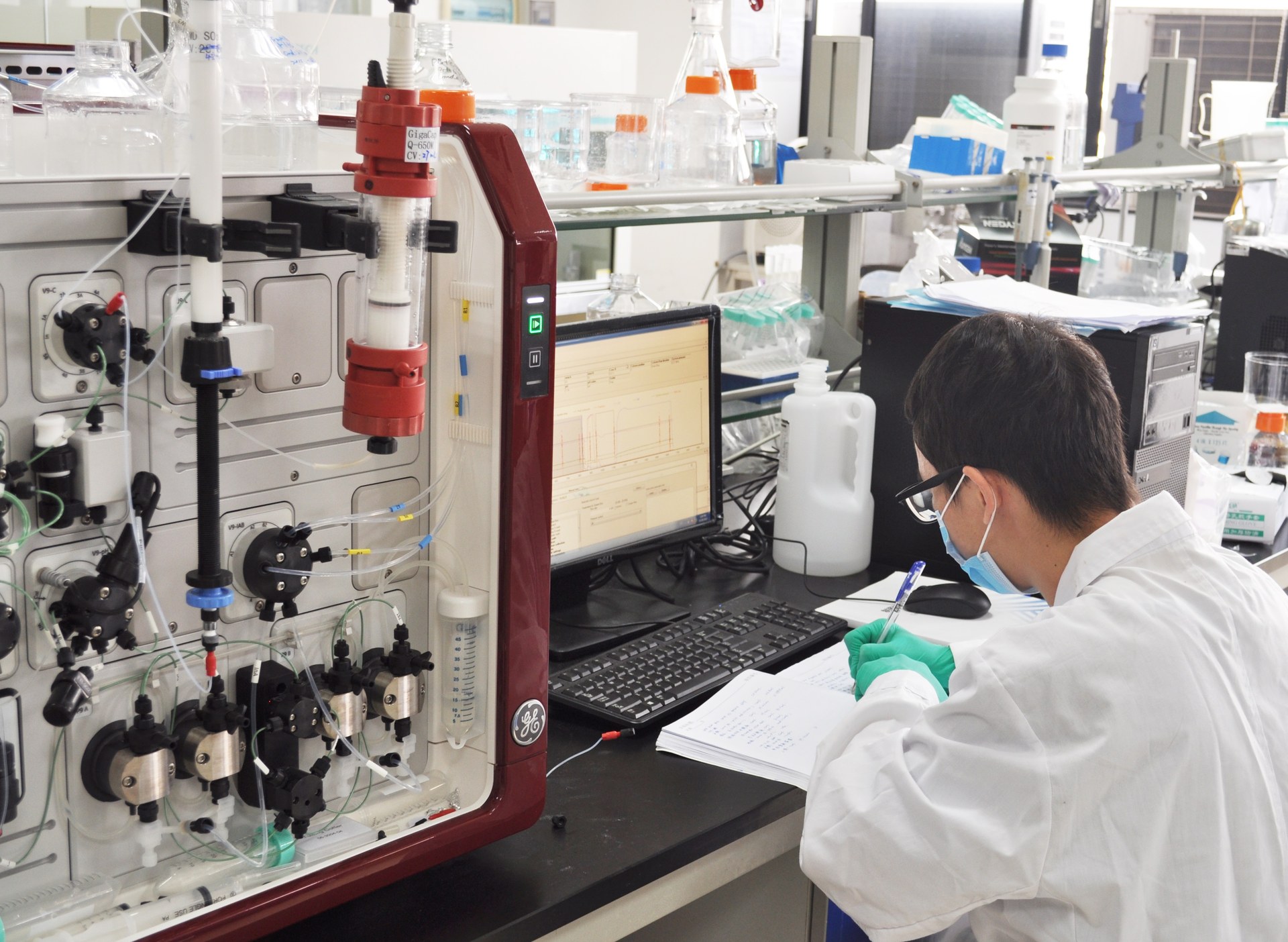
The platform provides end-to-end quality development through a closed-loop system spanning candidate developability assessment, high-expression cell line development, upstream and downstream processing (cell culture, purification, formulation and scale-up), technology transfer and commercial manufacturing. More than 100 advanced analytical instruments, including high-resolution mass spectrometry, capillary electrophoresis and flow cytometry, support structural characterization from primary to higher-order structure, impurity profiling, bioactivity and immunogenicity testing, process residual analysis and stability studies. Studies aligned with the ICH Q guidelines cover forced degradation, compatibility and shipping simulations to support filings in China, the United States and Europe, global acceptance of quality comparability data and international regulatory compliance.

  • NMPA / FDA / EMA
  • Structural analysis
  • Stability studies
  • forced degradation
End-to-End Quality Research Platform

Manufacturing & Quality

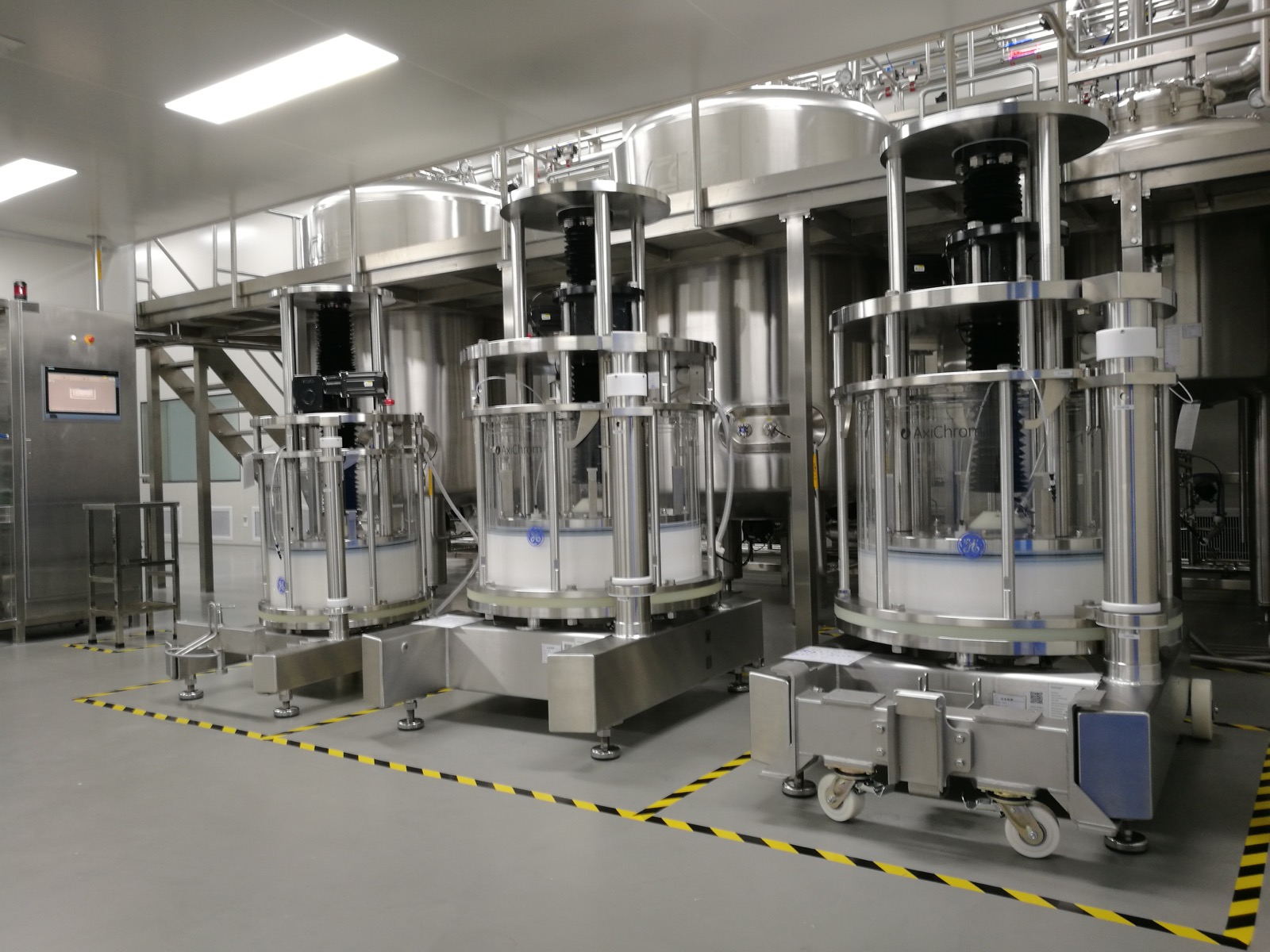
Bio-TheraAntibody Industrial Park Production Facility

Manufacturing

The company’s Antibody Industrial Park in Yonghe Development Zone, Guangzhou, covers approximately 40,000 square meters. Installed and operational facilities include two 3,500 L stainless-steel bioreactors, three 500 L single-use bioreactors, four 4,000 L stainless-steel bioreactors and three 2,000 L single-use bioreactors, each with associated downstream purification lines. Facilities also include a 200 L ADC conjugation reactor with an isolator system and purification line, an integrated vial washing, drying, filling and sealing line for sterile injections, a prefilled syringe filling line and a lyophilized formulation line. Six 6,000 L stainless-steel bioreactors are supported by two downstream purification lines. Total operational capacity is 66,500 L.

66500L Total Operational Capacity
72,000L Planned Additional Capacity at Yonghe
Approx. 40,000 m² Campus Area

Currently, the company is accelerating the construction of Yonghe Innovation Industrial Base and plans to add 72,000L of monoclonal antibody production capacity. After the project is completed and put into production, the company's total production capacity will rank among the top domestic biopharmaceutical companies. The base will provide solid production capacity guarantee for a number of innovative drugs and biosimilars planned to be launched by the company in the next five years, further strengthen the production cost advantage, and continue to support the expansion of domestic and overseas markets.

The August 2024 brochure describes manufacturing capabilities for clinical and commercial monoclonal antibodies and ADCs, from drug substance to sterile finished products, with prefilled syringe, vial and lyophilized formulation lines.
Quality management system

Quality management

The company continues to improve its production layout and quality management system and has passed GMP certifications from global core regulatory agencies such as NMPA, FDA, EMA, and ANVISA, achieving full coverage of access qualifications for mainstream pharmaceutical markets such as China, the United States, the European Union, and Latin America.

NMPA FDA EMA ANVISA

ICH Q10 · Product lifecycle

The brochure describes a quality system based on the ICH Q10 model, using US, EU and Chinese GMP requirements as its minimum standards.

  1. Research & development
  2. Technology transfer
  3. Commercial production
  4. Product discontinuation

Source: August 2024 corporate brochure, p. 13.

From molecular design to commercial production

Bio-Thera's six major technology platforms operate collaboratively, covering the entire chain of antibody drug discovery, engineering optimization, process development, quality research and commercial production, to provide safe, effective, affordable and high-quality drugs to patients around the world.

+ Discuss business cooperation